






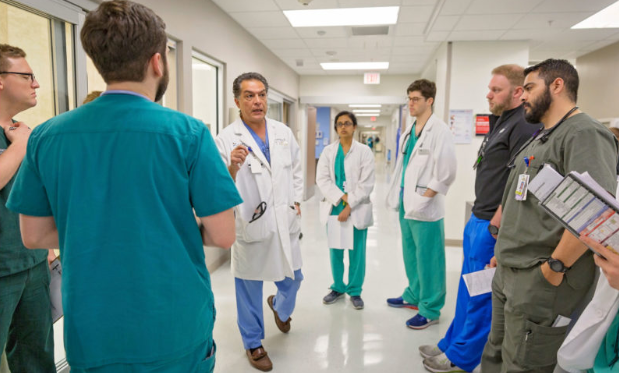
Emergency medicine is a fast-paced and demanding field that requires doctors to make critical decisions quickly. While medical school and residency provide a strong foundation, some physicians choose to further enhance their expertise through an emergency medicine fellowship. This specialized training allows doctors to develop advanced skills in specific areas of emergency care, preparing them for complex situations and leadership roles.
Understanding Emergency Medicine Fellowships
An emergency medicine fellowship is an additional training program that physicians can pursue after completing their residency in emergency medicine. Unlike general residency programs, which cover a broad range of medical emergencies, a fellowship focuses on a specialized area within emergency care. These areas may include critical care, pediatric emergency medicine, toxicology, ultrasound, or disaster medicine. By participating in a fellowship, doctors can deepen their knowledge and gain hands-on experience in managing complex cases that require specialized expertise.
Developing Advanced Clinical Skills
One of the main benefits of an emergency medicine fellowship is the opportunity to develop advanced clinical skills. Fellows receive intensive training in procedures and techniques that are not typically covered in standard residency programs. This may involve managing critically ill patients, performing advanced airway procedures, or using cutting-edge diagnostic tools. By mastering these skills, physicians become better equipped to handle high-pressure situations, provide more accurate diagnoses, and improve patient outcomes in emergency departments.
Gaining Research and Academic Experience
Many emergency medicine fellowships also emphasize research and academic development. Physicians in these programs have the chance to participate in clinical studies, publish research articles, and present findings at conferences. This experience is valuable for doctors who are interested in contributing to medical knowledge or pursuing careers in academic medicine. The combination of clinical practice and research training allows fellows to stay up-to-date with the latest advancements in emergency care, ensuring they can provide the most effective and evidence-based treatments.
Enhancing Leadership and Teaching Abilities
An emergency medicine fellowship often includes opportunities to develop leadership and teaching skills. Fellows may supervise residents, mentor medical students, or lead quality improvement initiatives within the emergency department. These experiences prepare physicians for leadership roles, such as directing emergency services or managing specialized units. By honing their teaching abilities, fellows also contribute to the education and professional growth of future emergency medicine doctors, creating a lasting impact on the field.
Expanding Career Opportunities
Completing an emergency medicine fellowship can open doors to a variety of career paths. Physicians with specialized training are highly sought after in academic institutions, large hospitals, and specialized emergency centers. They may also pursue roles in consulting, public health, or disaster response teams. The fellowship not only enhances a doctor’s clinical competence but also increases professional recognition and opportunities for advancement.
Improving Patient Care
Ultimately, the skills gained through an emergency medicine fellowship benefit patients directly. Physicians who have undergone specialized training can provide faster, more precise, and higher-quality care in emergency situations. Whether managing severe trauma, pediatric emergencies, or toxic exposures, fellows bring a level of expertise that improves patient safety and outcomes. The advanced skills and knowledge acquired during fellowship training enable doctors to handle challenging cases with confidence and professionalism.
Conclusion
An emergency medicine fellowship is a valuable opportunity for physicians to gain specialized skills and advance their careers. Through focused clinical training, research experience, leadership development, and teaching opportunities, fellows become highly skilled and versatile professionals. These programs not only enhance a physician’s expertise but also contribute to better patient care and improved outcomes in emergency medicine. For doctors seeking to excel in their field and make a meaningful impact, an emergency medicine fellowship offers an ideal path to achieve both professional growth and specialized knowledge.





+ There are no comments
Add yours