






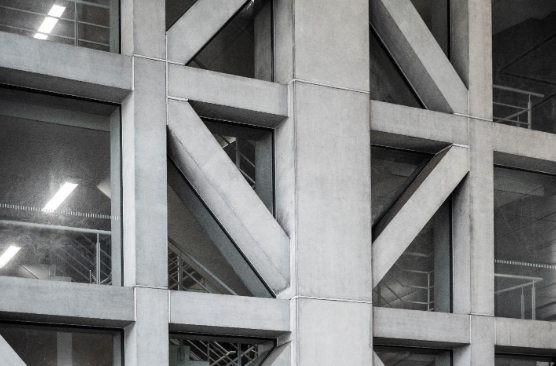
The current construction works require materials that are sturdy, cost-efficient, and versatile, bearing in mind the ability to apply creative architectural designs. Architectural precast concrete is one of the building materials that has gained popularity in buildings, facades, and other structures due to its ability to blend strength with aesthetic flexibility.
As compared to the normal concrete that is poured on-site, the precast panels are produced in a controlled environment and transported to the site of construction. This method has numerous benefits, such as less time on construction, quality uniformity, and reduced cost of maintenance.
1. Constant Quality and Reliability
Consistency of quality is one of the major benefits of architectural precast concrete. Panels are cast within an environment where the environment is controlled in a factory, manufacturers can closely attend to the mix, the curing process, and the placement of reinforcements.
This gives it a homogenous strength, density, and finish, lowering the possibility of cracks or defects that usually occur in on-site poured concrete. Precast panels are also very robust and do not wither or catch fire, and are not affected by chemicals, thus can be used in long-lasting buildings.
2. Faster Construction Time
In modern construction projects, time efficiency is essential. Precast concrete in architecture can also shorten the total construction schedule to a great extent. Multi-step constructions take place when a panel is being made with foundation work or site preparation in progress, thereby allowing multi-activity of construction processes.
The panels are supplied as soon as they are made, and they require a low amount of labour and cranes to assemble. This is the lean style that accelerates the completion of projects, lowering the labour costs and enabling the developers to meet the strict deadlines without sacrificing quality.
3. Design Flexibility
Precast concrete in architecture is unsurpassed in versatility of design. Moulding allows panels to take extremely diverse shapes, textures, and patterns to produce certain architectural aesthetics. Colour, surface finish, and decorative effect can be added in the manufacturing process, enabling the designers to create a visual attraction in the facade or interior wall.
It is this flexibility that makes precast concrete ideal in contemporary commercial buildings, schools, hospitals, and residential construction projects, whereby aesthetics is not secondary to structural performance.
4. Reduced Maintenance Costs
Architectural precast concrete does not need much maintenance as opposed to traditional building materials. The ability to withstand weathering, corrosion, and UV collision ensures that surfaces will preserve their looks and integrity for decades.
Also, the standard strength and the controlled production process make the structural repair less possible in the case of cracks or defects. This high-lasting quality means reduced maintenance and decreased downtime for the building owners.
5. Enhanced Energy Efficiency
Incidentally, precast concrete panels are also a source of energy-efficient building design. The thick walls offer natural thermal mass that assists in the regulation of indoor temperatures, as well as reducing heating or cooling needs.
Developers can make buildings to achieve comfortable interiors by incorporating architectural precast concrete with insulation layers or reflective finishes, and reduce the cost of energy usage.






+ There are no comments
Add yours