






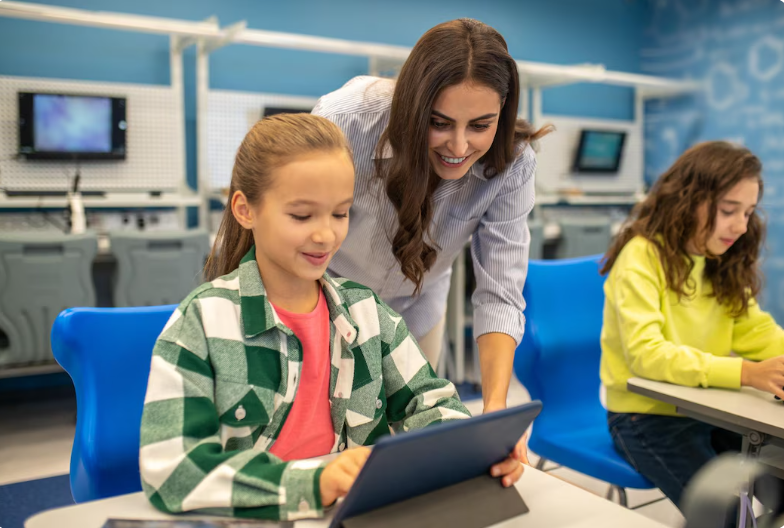
Families exploring homeschool hybrid schools may be interested in educational options that combine independent study with structured instruction, group activities, and opportunities for social interaction. This approach can provide a balance between learning at home and participating in an organized educational community, giving families more flexibility while maintaining academic structure.
Understanding Hybrid Learning
Hybrid education can be structured in different ways. Some programs divide learning between home-based coursework and scheduled classes, while others combine online lessons with in-person activities.
Common features may include:
- Flexible weekly schedules
- Guided classroom instruction
- Independent assignments
- Small-group activities
- Project-based learning
- Family involvement in education
Because programs vary, parents should review the specific schedule and expectations before choosing an option.
Why Families Consider Alternative Education
Traditional schooling may not provide the same level of flexibility for every student. Alternative models can give families more opportunities to consider learning pace, interests, schedules, and individual academic needs.
A flexible environment may also allow students to spend more time exploring subjects that interest them while receiving additional guidance in areas where they need support.
Benefits of Smaller Learning Groups
Smaller educational communities can encourage greater participation. Students may have more opportunities to ask questions, collaborate with classmates, and communicate directly with educators.
Teachers may also have more time to observe individual progress. This can make it easier to adjust activities, provide feedback, and support different learning preferences.
Exploring Educational Options in Florida
Families researching microschools in florida can compare programs based on curriculum, teaching philosophy, class structure, schedule, location, and student activities. Some may emphasize hands-on projects, while others may focus on academic preparation, personalized instruction, or community-based learning.
Parents should consider what type of environment their child is most likely to find engaging and supportive.
Questions to Ask Before Enrolling
A thoughtful comparison can help families understand whether a program matches their expectations. Useful questions include:
- What curriculum does the program use?
- How are students assessed?
- How much instruction takes place at home?
- What does a typical week look like?
- How are social activities incorporated?
- How do teachers communicate with parents?
- What academic support is available?
Visiting the program, speaking with educators, and reviewing enrollment requirements can also help families make an informed choice.
Supporting Student Independence
Flexible learning models can encourage students to take greater responsibility for their education. Completing projects, organizing assignments, managing schedules, and reflecting on progress can help develop useful academic and life skills.
With appropriate guidance, students can gradually become more confident in managing their learning while still having access to support from educators and family members.
Final Thoughts
Educational needs can differ significantly from one student to another. Families comparing flexible schooling options can consider curriculum, learning schedules, class size, teacher support, social opportunities, and family involvement. Taking time to understand these factors can make it easier to identify an environment that supports both academic development and personal growth.





+ There are no comments
Add yours