





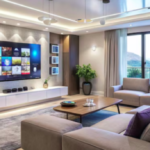
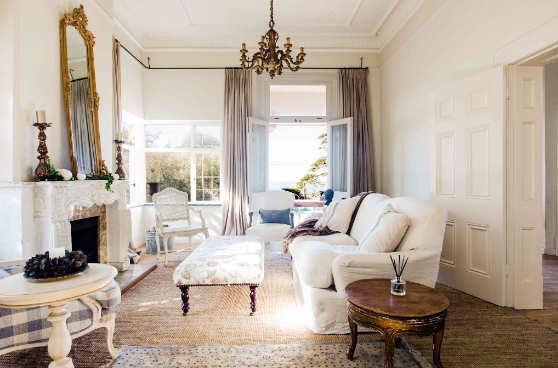
A living room built around classic furniture pieces creates an environment that feels both timeless and personally curated. Classic furniture design transcends the rapid trend cycles that make rooms feel dated within years of completion, providing a stable visual foundation that accommodates changing accessories, evolving personal taste, and new additions over time. Designing around these principles produces living rooms that remain satisfying to live in long after trend-driven rooms have been overhauled.
Establish a Focal Point and Build From It
Every successful living room composition begins with a clear focal point — typically a fireplace, a significant piece of furniture, or an architectural feature — around which the arrangement of other pieces is organized. Classic furniture is most effective when positioned intentionally relative to this focal point rather than placed for convenience or access alone. A seating arrangement that faces the focal point and maintains clear conversation distances creates a room that functions as well as it looks, with every piece appearing purposeful rather than incidentally located.
Anchor the Space With a Mid Century Modern Sofa
The sofa defines the character of a living room more than any other single piece of furniture. A mid century modern sofa with its clean profile, tapered wooden legs, and tailored upholstery provides the visual anchor for a range of interior approaches from contemporary to transitional. Its proportions and design vocabulary are versatile enough to work with a variety of complementary pieces without creating the stylistic conflict that more period-specific furniture produces.
Layer in Complementary Accent Pieces
Classic living rooms gain character through the layering of complementary pieces at different scales — coffee tables, side tables, occasional chairs, and accent lighting that each contribute to the composition without competing with the primary anchor pieces. Mixing materials thoughtfully — wood with metal, linen with leather, smooth surfaces with textured ones — creates visual interest and tactile variety that prevents the room from feeling one-dimensional.
Use Rugs to Define and Ground the Seating Area
An appropriately sized area rug defines the seating zone and visually anchors furniture pieces that might otherwise appear to float independently. The most common rug sizing mistake in living rooms is choosing a rug too small for the space — ideally, the front legs of all major seating pieces should rest on the rug to create a unified group. Natural fiber rugs in jute, wool, or sisal complement classic furniture without demanding attention, while patterned rugs in traditional or geometric designs add visual richness appropriate to rooms where the furniture maintains a cleaner aesthetic.
Light the Room in Layers
Classic living rooms avoid the flat, uniform illumination that a single overhead fixture produces. Layered lighting — combining ambient, task, and accent sources — creates the warmth and visual depth that classic furniture compositions deserve. Table lamps at sofa table height provide warm pools of light that complement the scale of classic furniture. Floor lamps in corners illuminate without glare. Accent lighting directed at artwork or architectural features adds depth and directs the eye through the space.
Conclusion
Living room design built around classic furniture and considered layering produces spaces that feel genuinely finished and remain satisfying to inhabit across many years. The investment in quality anchor pieces and thoughtful composition pays dividends that fashion-driven decorating rarely delivers.






+ There are no comments
Add yours